Models developed following the TRACE framework and validated against independent datasets. First-author papers provide reproducible code via GitHub.
Project 1
The Merops philippinus Project
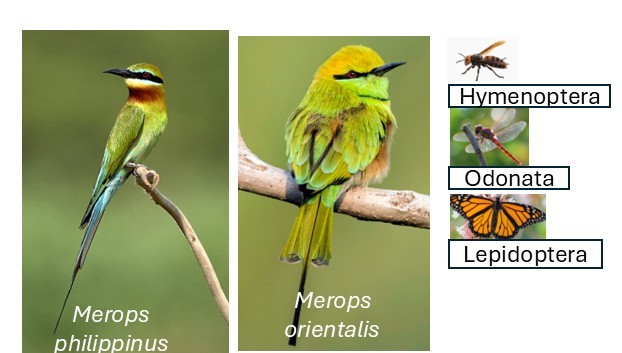
Prey groups
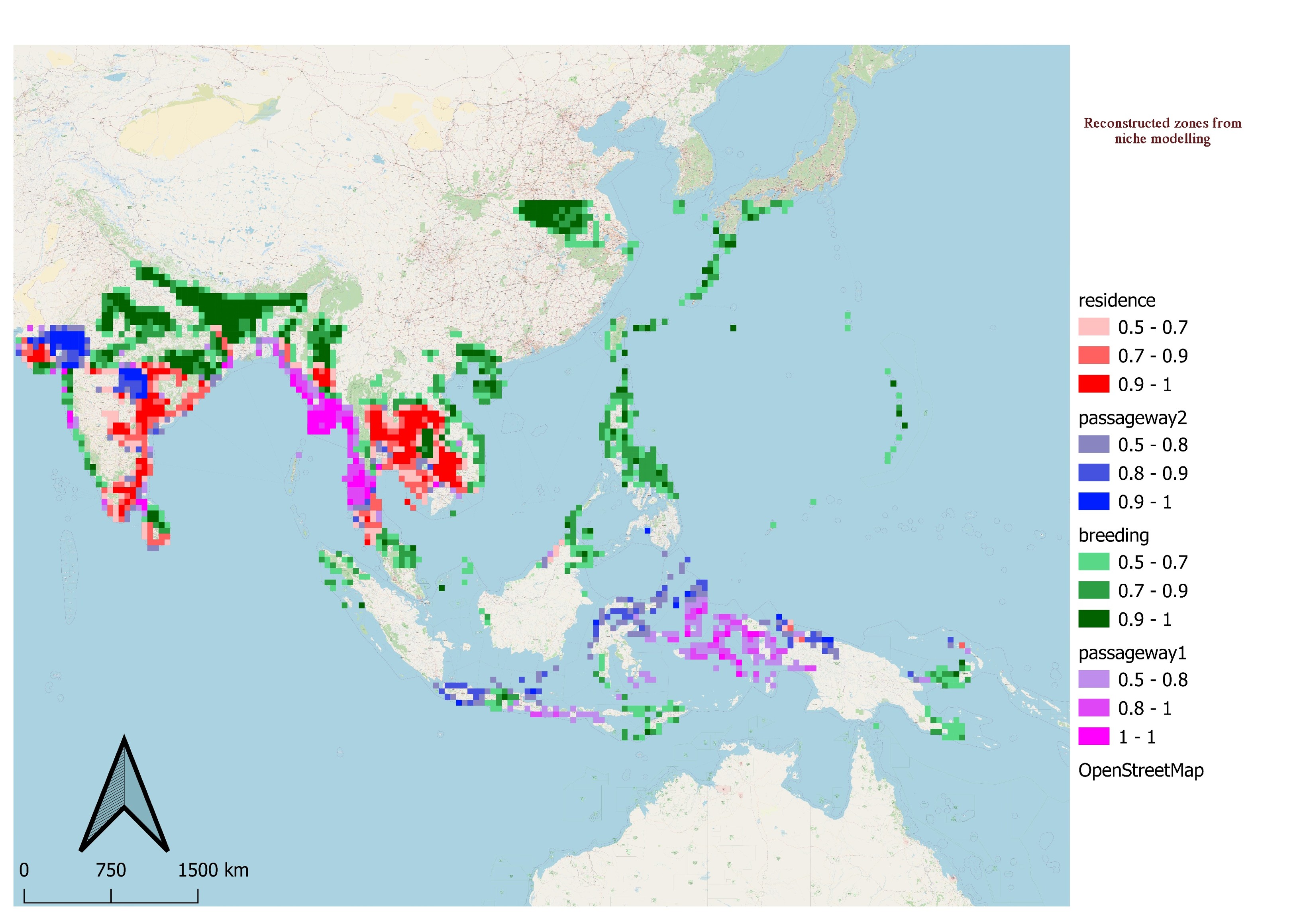
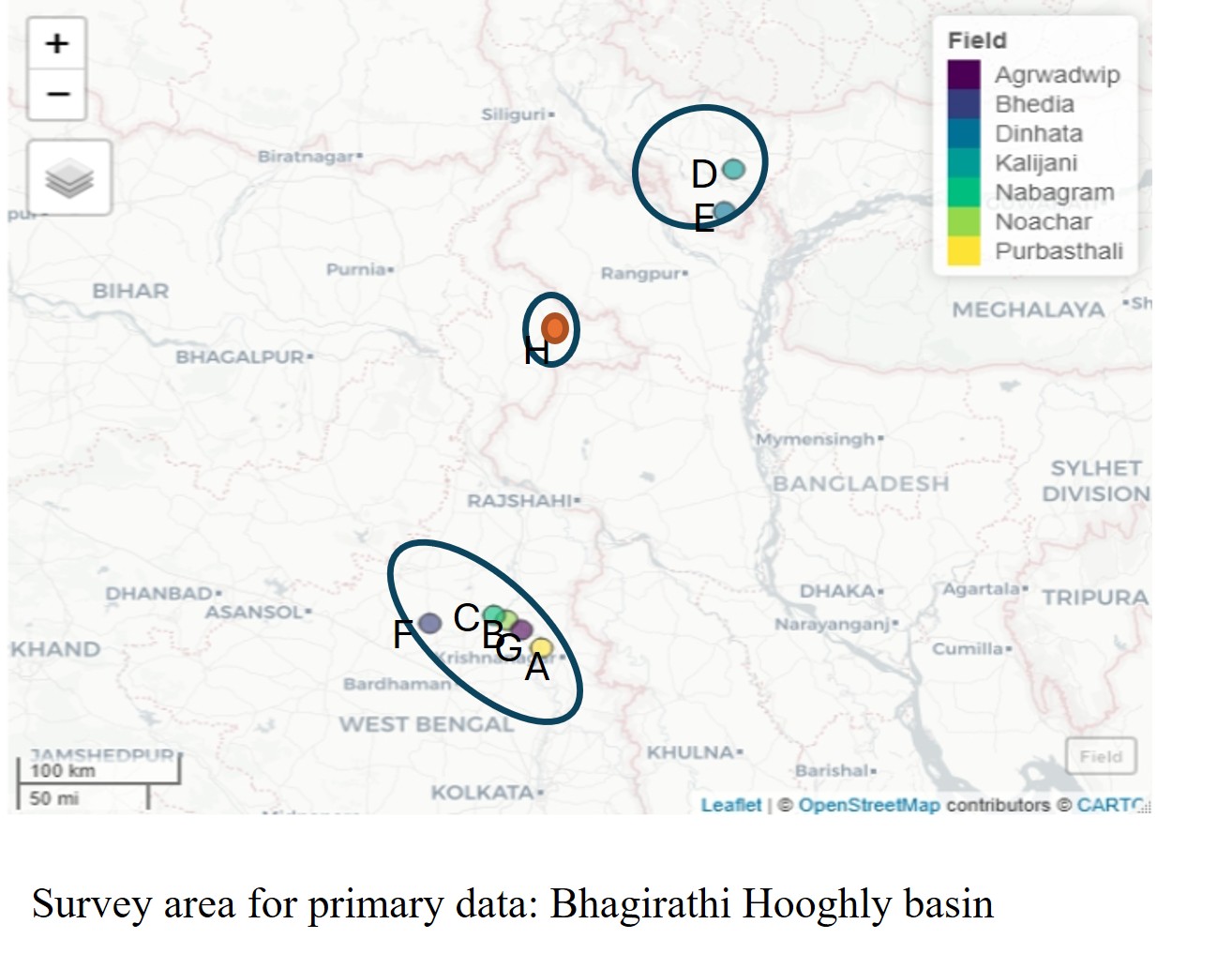
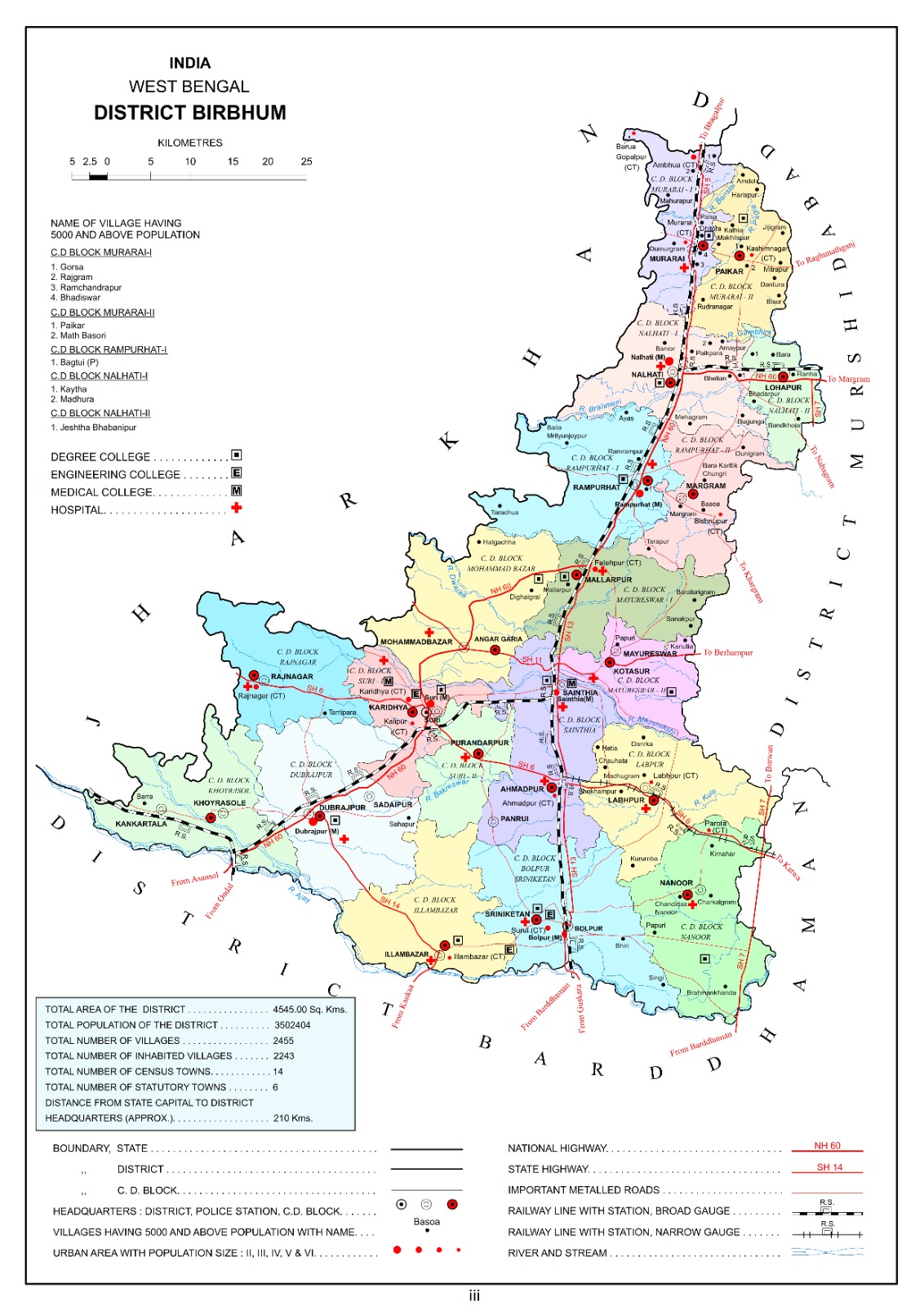
Data sources
Primary data types
Predicting the probability of avian reproductive success and its components at a nesting site
Ghosh, S., Banerjee, A., Mukhopadhyay, S., Bhattacharya, S., & Ray, S. (2022). Ecological Informatics, 72, 101841.
DOI: 10.1016/j.ecoinf.2022.101841
Variation in prey community determines nesting rates of Merops philippinus
Ghosh, S. (2022). NDC E-BIOS, 2, 63--70.
Is the primary helper always a key group for the dynamics of cooperative birds?
Ghosh, S., Al Basir, F., Chowdhury, G., Bhattacharya, S., & Ray, S. (2021). Ecological Modelling, 459, 109710.
DOI: 10.1016/j.ecolmodel.2021.109710
Project 2
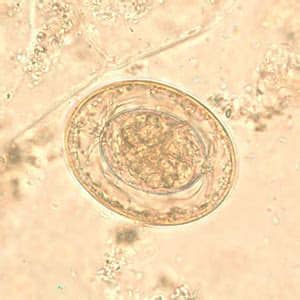
Helminth Molecular Niche in the Mammal Body
Helminth species
Hymenolepis diminuta (tapeworm)
Bacterial strains
Lactobacillus taiwanensis S29
Lactiplantibacillus plantarum S27
Lactiplantibacillus plantarum S27
Efficacy of Lactobacillus taiwanensis S29 and Lactiplantibacillus plantarum S27 against tapeworm infection in Swiss Albino rats
Mandal, S., Mondal, C., Ghosh, S., Saha, S., Ray, M. S., & Lyndem, L. M. (2024). Experimental Parasitology, 259, 108715.
DOI: 10.1016/j.exppara.2024.108715
Hymenolepis diminuta reduce lactic acid bacterial load and induce dysbiosis in the early infection of the probiotic colonization of Swiss Albino rat
Mandal, S., Mondal, C., Mukherjee, T., Saha, S., Kundu, A., Ghosh, S., & Lyndem, L. M. (2022). Microorganisms, 10(12), 2328.
DOI: 10.3390/microorganisms10122328
Project 3
Growth Model Generalisation
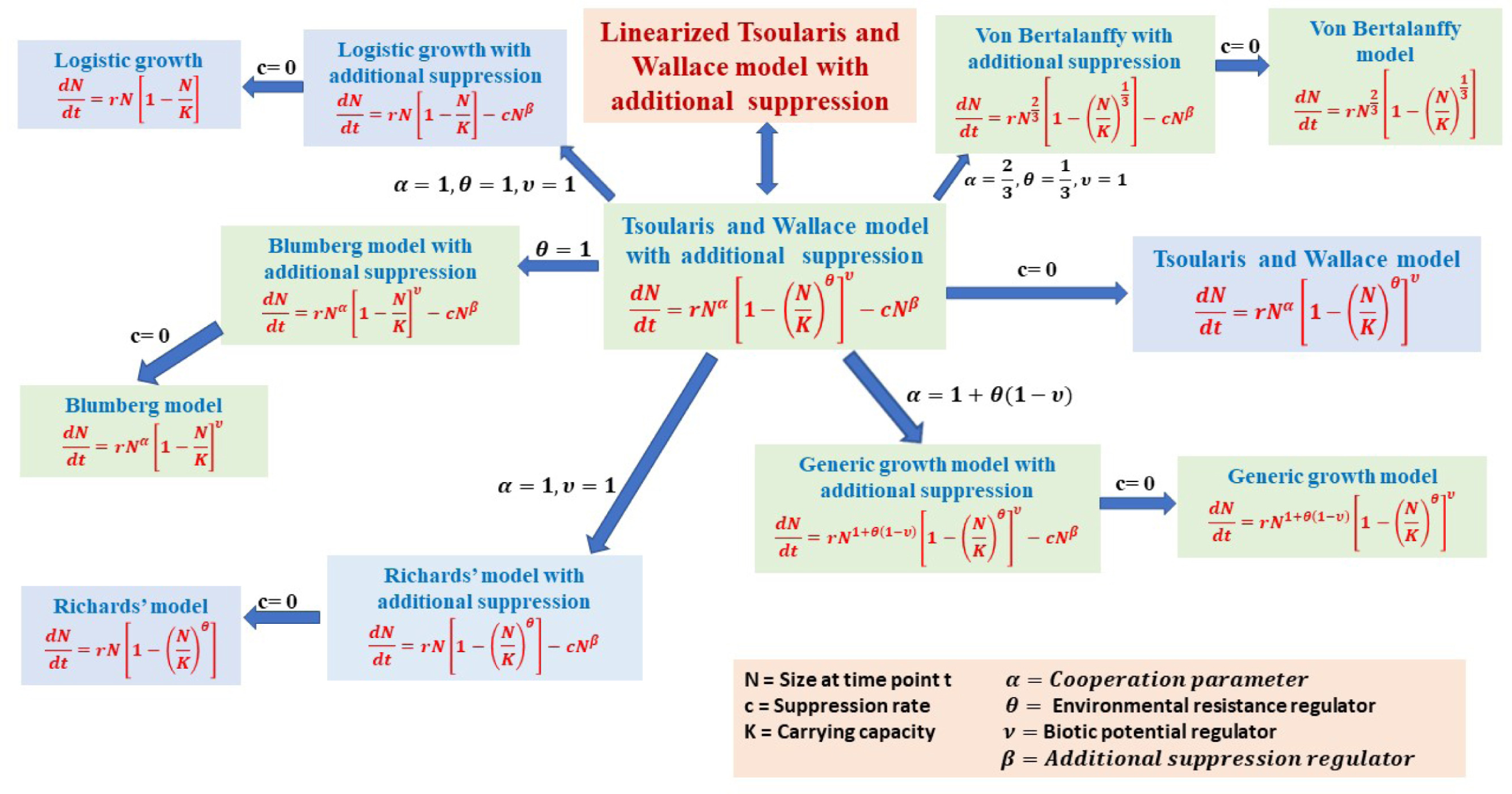
Applied mathematics project developing generalised growth curve models, validated on biological systems:
Applied to
Moths exhibit strong memory among cooperative species of other taxonomic groups: An empirical study
Rana, S., Basu, A., Ghosh, S., & Bhattacharya, S. (2023). Ecological Modelling, 476, 110235.
DOI: 10.1016/j.ecolmodel.2022.110235
A noble extended stochastic logistic model for cell proliferation with density-dependent parameters
Roy, T., Ghosh, S., Saha, B., & Bhattacharya, S. (2022). Scientific Reports, 12, 8998.
DOI: 10.1038/s41598-022-12719-y
A new growth curve model portraying the stress response regulation of fish
Roy, T., Ghosh, S., & Bhattacharya, S. (2022). Ecological Modelling, 470, 109999.
DOI: 10.1016/j.ecolmodel.2022.109999
On developing a mathematical model for self-inducing proliferation and its regulation
Roy, T., Ghosh, S., Kundu, S., & Bhattacharya, S. (2021). Bull. Calcutta Mathematical Society, 113(4), 271--308.
Project 4
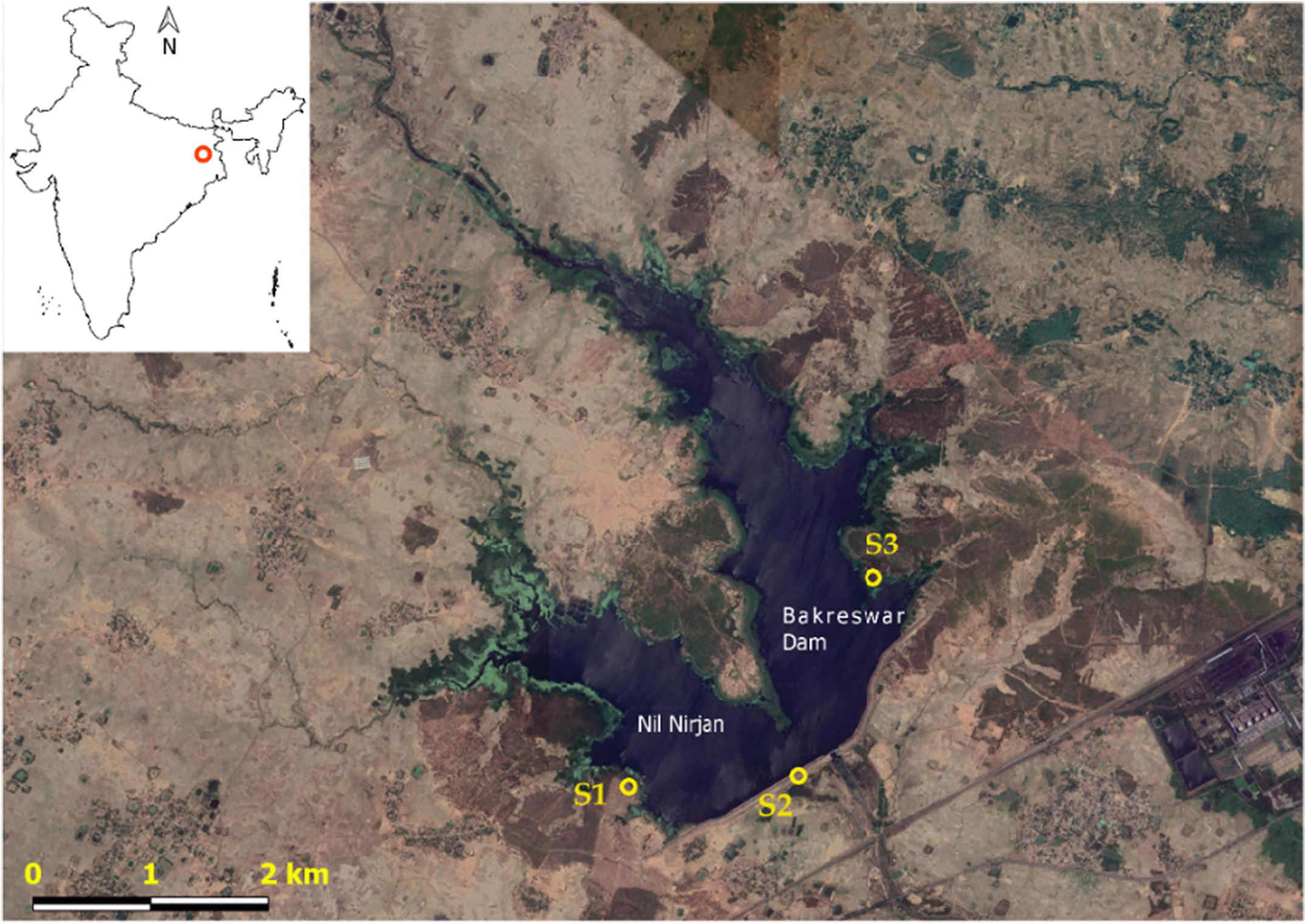
Plankton Community Ecology of Bakreswar
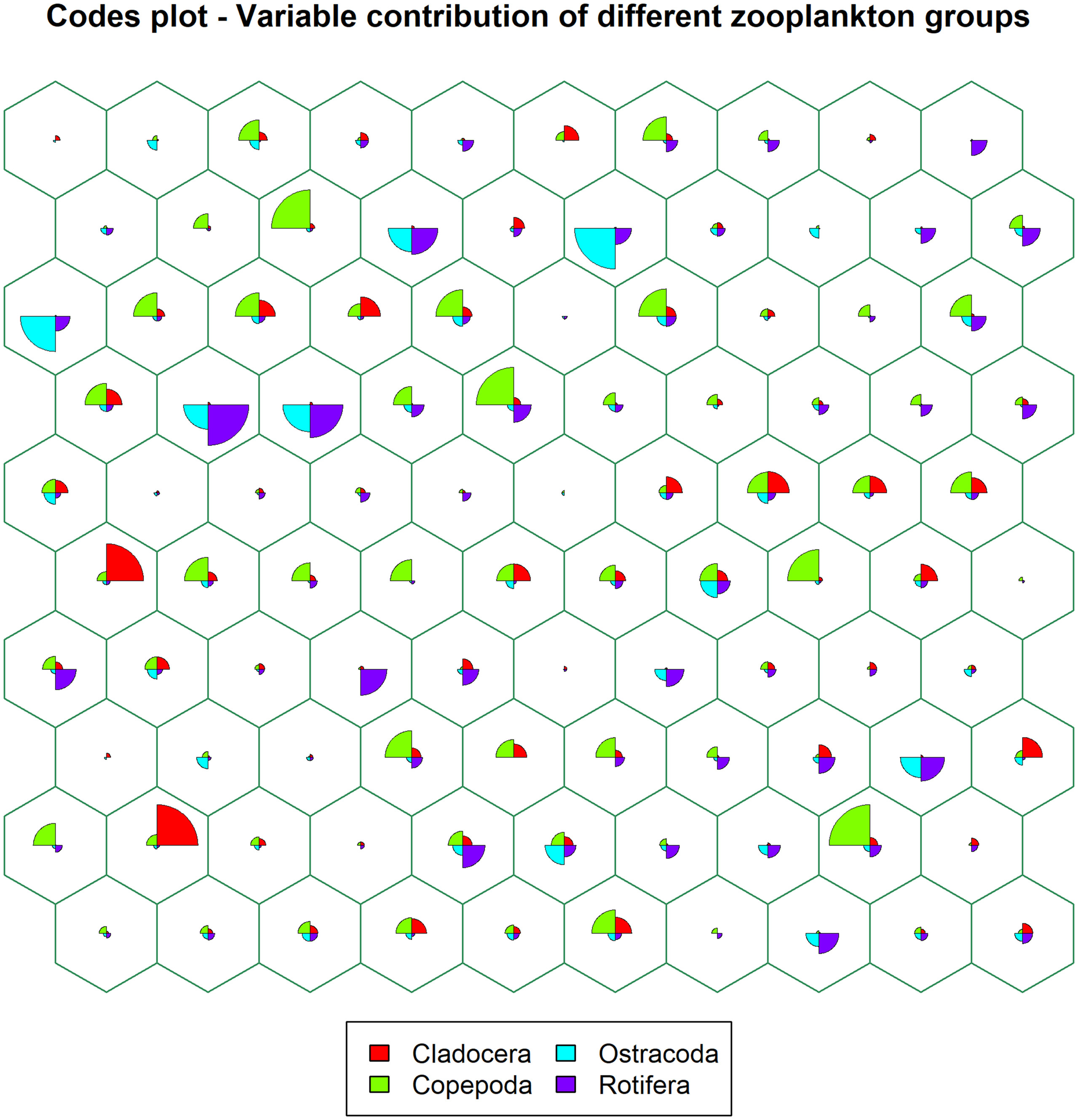
Plankton groups
Traits considered
Zooplankton community of Bakreswar reservoir: Assessment and visualization of distribution pattern using self-organizing maps
Banerjee, A., Rakshit, N., Chakrabarty, M., Sinha, S., Ghosh, S., & Ray, S. (2022). Ecological Informatics, 72, 101837.
DOI: 10.1016/j.ecoinf.2022.101837
Project 5
Eco-epidemiology of Canine Distemper in African Wild Dog
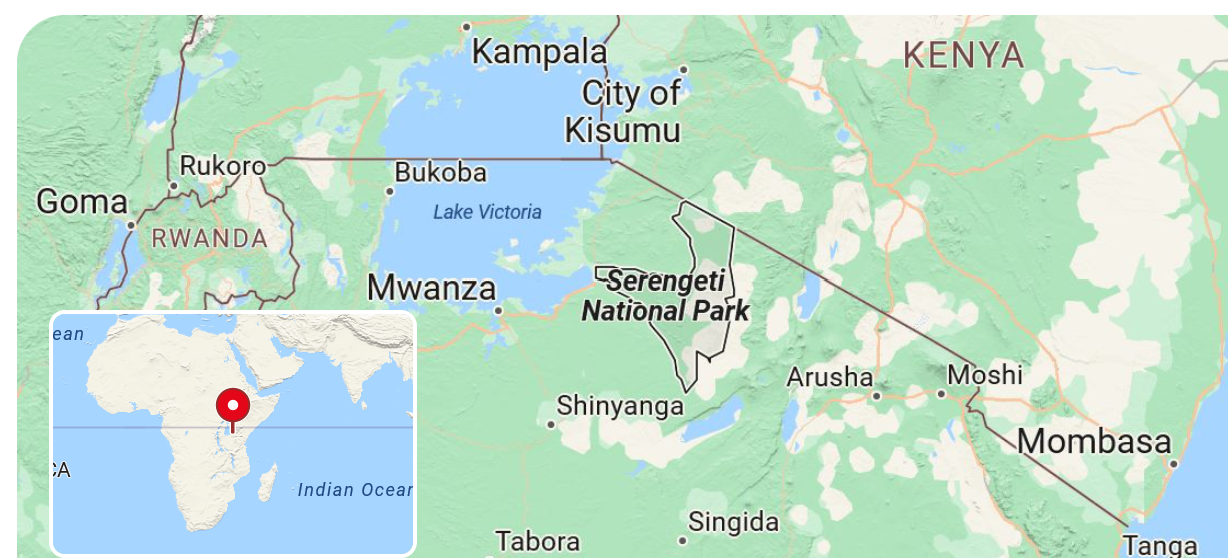
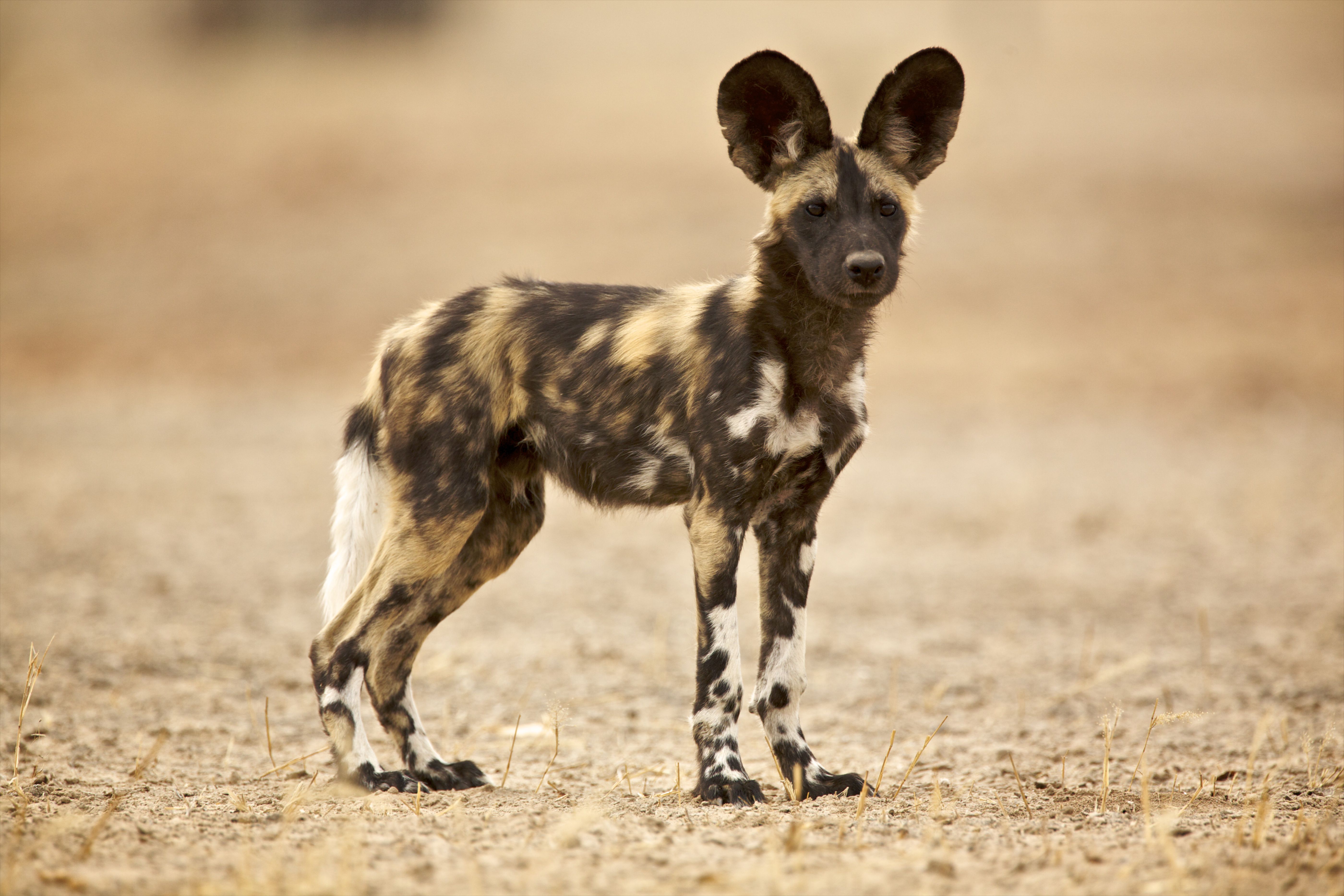
Investigation and control strategy for canine distemper disease on endangered wild dog species: A model-based approach
Reja, S., Ghosh, S., Ghosh, I., Paul, A., & Bhattacharya, S. (2022). SN Applied Sciences, 4, 176.
DOI: 10.1007/s42452-022-05053-5
Project 6
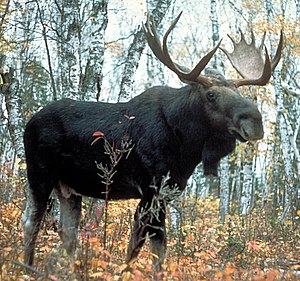
The Taiga Project — WP4: Wildlife Module


Research tools and interactive applications developed under this project are available on the Research Tools page.
Predicting future wolf density in Scandinavia under land-use and climate scenarios with an individual-based hybrid model
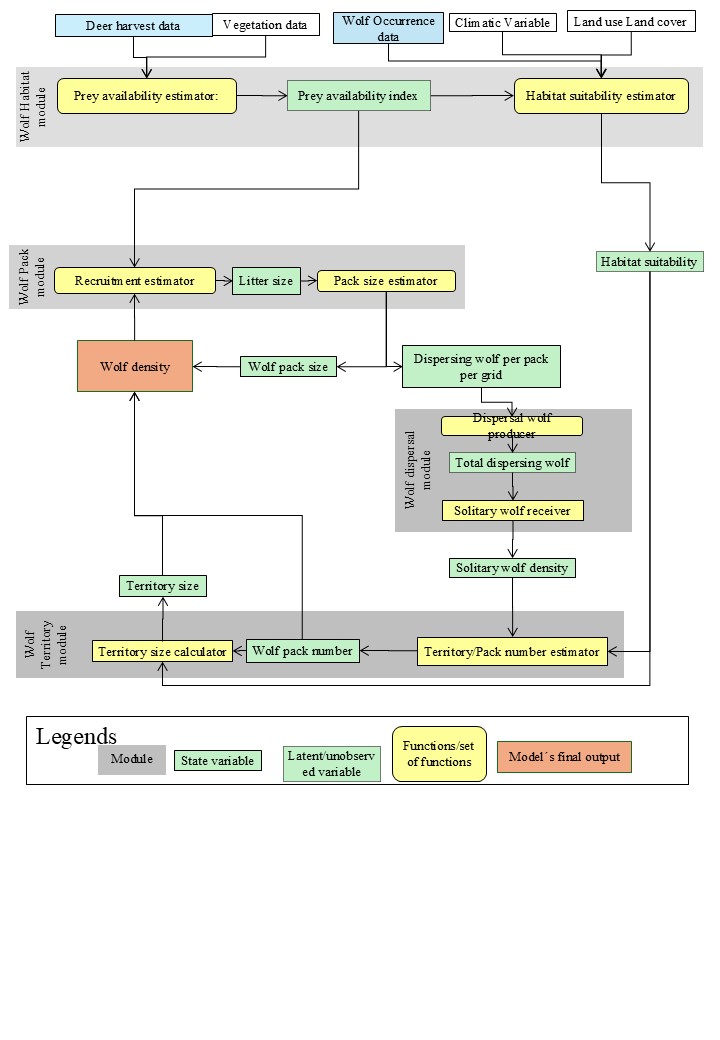
This study develops a hybrid grid-based demographic–spatial model to predict future grey wolf (Canis lupus) density across Scandinavia under projected land-use and climate scenarios. Following near-extinction in the 1960s, wolves have naturally recolonised the Scandinavian boreal forest, but understanding how many packs can coexist in human-dominated landscapes remains critical for balancing ecological benefits with social acceptance. The model integrates four coupled modules operating across spatial scales on a 50 × 50 km grid: (1) a Wolf Habitat Module that estimates prey availability from deer harvest data, vegetation, and land-use/land-cover, and combines it with climatic variables to produce a habitat suitability index; (2) a Wolf Pack Module that uses habitat suitability and prey availability to estimate recruitment via litter size and pup survival, yielding pack size and wolf density per grid cell; (3) a Wolf Dispersal Module that calculates yearling dispersal from each pack, routes dispersing wolves to suitable receiver grids based on habitat suitability, and estimates solitary wolf density available for new pack formation; and (4) a Wolf Territory Module that estimates territory size as a function of habitat suitability and calculates the number of packs each grid cell can support. The model is trained on long-term monitoring data from the SKANDULV programme (1999–2015) and validated against independent data (2016–2024). Predictions are generated under multiple SSP-RCP scenarios to test three hypotheses: that future forest-cover changes will increase average territory size, that warmer winters will shift territory concentration northward, and that overall wolf density will increase across Scandinavia.
Conceptual model structure
Project 7
Optimal Control Theory on Forest Ecoepidemic System Analyses
Focal system
Methods
Adaptive stability of the Black alder ecoepidemic system: integrated intervention alone prevents regime shift under phenological variability
Ghosh, S. & Singh, S. Frontiers in Applied Mathematics. Under review.